
Pain in the arms or legs often gets blamed on the limb itself. A sore shoulder, a weak grip, a numb foot, a burning calf. The patient assumes the problem is local. In many cases it is not. The nerves that carry signal and sensation to every finger and every toe begin at the spine. When a vertebra shifts and presses on a nerve root, the pain shows up wherever that nerve travels, which is usually a long way from where the actual problem lives.
This is why people see results from chiropractic care for problems they assumed had nothing to do with the back. Bursitis, tendinitis, certain forms of arthritis, persistent numbness, and unexplained weakness in a limb often clear up when the spinal source is corrected. The pattern shows up in the cervical spine for arm symptoms and the lumbar spine for leg symptoms.
Dr. Lena Hartwell works the diagnosis from both ends. The exam looks at the limb itself, the nerve pathway, and the spine, with imaging where appropriate. The Gonstead method identifies the specific level of nerve involvement and corrects only the vertebra responsible. Once pressure on the nerve is reduced, the limb starts to recover. Some patients see fast change. Others, especially those with longer-running symptoms, take more time. The point is not to chase pain in the arm or leg with topical care; it is to find where the nerve is actually being squeezed and address it there.
If you're experiencing Arm & Leg Pain, our Asheville chiropractic clinic is here to help. We're conveniently located at 28 Patton Avenue, Suite 210, serving patients from across the greater Asheville area. Learn more about our Asheville chiropractic practice and the conditions we help with.
Take the first step toward better health. Schedule your new patient visit today.

Spinal misalignment, disc problems, or muscle strain limiting daily movement and quality of life.
Learn More
Stiffness, soreness, or sharp pain in the cervical spine that limits motion and daily activity.
Learn More
Sharp, radiating pain down the leg caused by irritation of the sciatic nerve at the spine.
Learn More
Recurring head pain often driven by tension and misalignment in the upper neck.
Learn More
Bulging, herniated, or extruded spinal discs that compress nerves and limit movement.
Learn More
Neck injury from sudden back-and-forth motion, most often from rear-end collisions.
Learn More
Persistent shoulder pain, stiffness, or limited motion that interferes with daily activity.
Learn More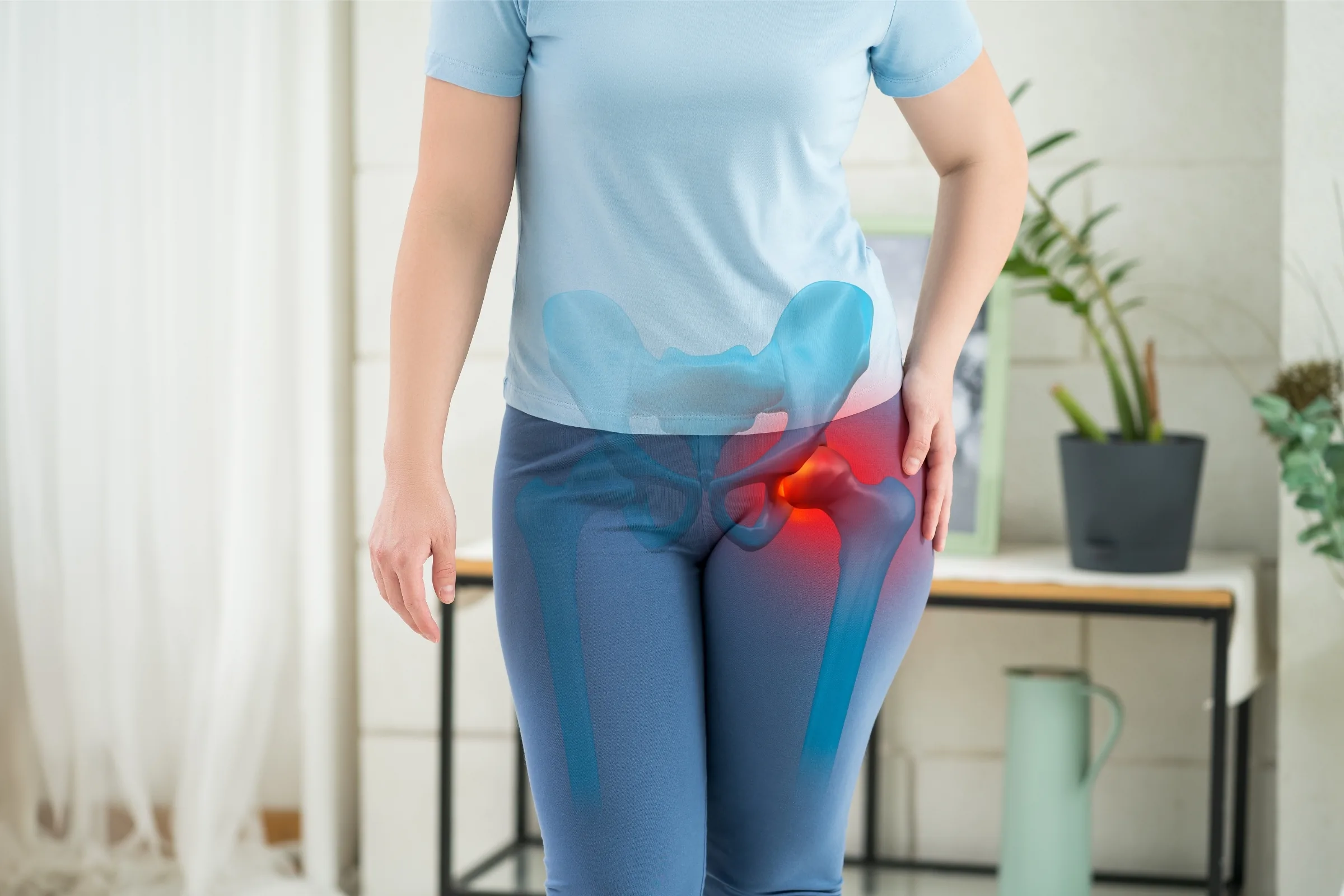
Hip and groin pain or stiffness that affects walking, sitting, and sleep.
Learn More
Knee pain from injury, overuse, or wear that limits walking, stairs, and daily movement.
Learn More
Injuries from job-related accidents, repetitive motion, or sustained poor posture on the job.
Learn More
Strains, sprains, and overuse injuries from training and competition that keep you off the field.
Learn More
Hand and wrist pain, numbness, or weakness from median nerve compression.
Learn More
Abnormal sideways curvature of the spine that affects posture, motion, and long-term function.
Learn More
Joint pain, stiffness, and swelling from wear or inflammation in the joints.
Learn More
A physiologic state that shifts posture, weight, and ligament tension in ways that strain the spine.
Learn More
Sensation of spinning or imbalance, often linked to upper cervical or inner ear dysfunction.
Learn MoreHeel and arch pain from irritation of the tissue along the bottom of the foot, often worst with the first steps of the day.
Learn More