

Pregnancy is not a disease, but it is one of the most demanding things a spine ever goes through. The body redistributes weight forward as the baby grows. The lumbar curve deepens. Ligaments soften under hormonal change to allow for delivery, which means joints that were stable can shift more easily. The pelvis adjusts. Sleep gets harder, and the positions that used to work no longer do. All of this puts measurable stress on the spine, and most pregnant patients feel it somewhere by the second or third trimester.
Common patterns include lower back pain, sciatic-type leg pain, hip discomfort, mid-back tension from changing breast weight, neck and shoulder strain from new postural patterns, leg cramps, and trouble finding a position to sleep in. Some patients also notice that constipation and other digestive complaints worsen as the growing uterus presses on surrounding nerves and tissue.
Dr. Lena Hartwell approaches pregnancy as a unique state that requires a unique approach. The exam and adjustment are adapted for each trimester. Positioning is modified, force is calibrated to the patient’s stage, and the focus is on the joints that have shifted as the body has changed. The Gonstead method’s emphasis on specificity is well suited to pregnancy because it adjusts only what needs to be adjusted, with the least force required. Many patients use chiropractic care throughout pregnancy and into the postpartum period, when the body is restoring itself to a non-pregnant baseline and the spine often needs help finding that position again.
If you're experiencing Pregnancy-Related Spinal Stress, our Asheville chiropractic clinic is here to help. We're conveniently located at 28 Patton Avenue, Suite 210, serving patients from across the greater Asheville area. Learn more about our Asheville chiropractic practice and the conditions we help with.
Take the first step toward better health. Schedule your new patient visit today.

Spinal misalignment, disc problems, or muscle strain limiting daily movement and quality of life.
Learn More
Stiffness, soreness, or sharp pain in the cervical spine that limits motion and daily activity.
Learn More
Sharp, radiating pain down the leg caused by irritation of the sciatic nerve at the spine.
Learn More
Recurring head pain often driven by tension and misalignment in the upper neck.
Learn More
Bulging, herniated, or extruded spinal discs that compress nerves and limit movement.
Learn More
Neck injury from sudden back-and-forth motion, most often from rear-end collisions.
Learn More
Persistent shoulder pain, stiffness, or limited motion that interferes with daily activity.
Learn More
Pain, numbness, or weakness in the limbs caused by nerve compression at the spine.
Learn More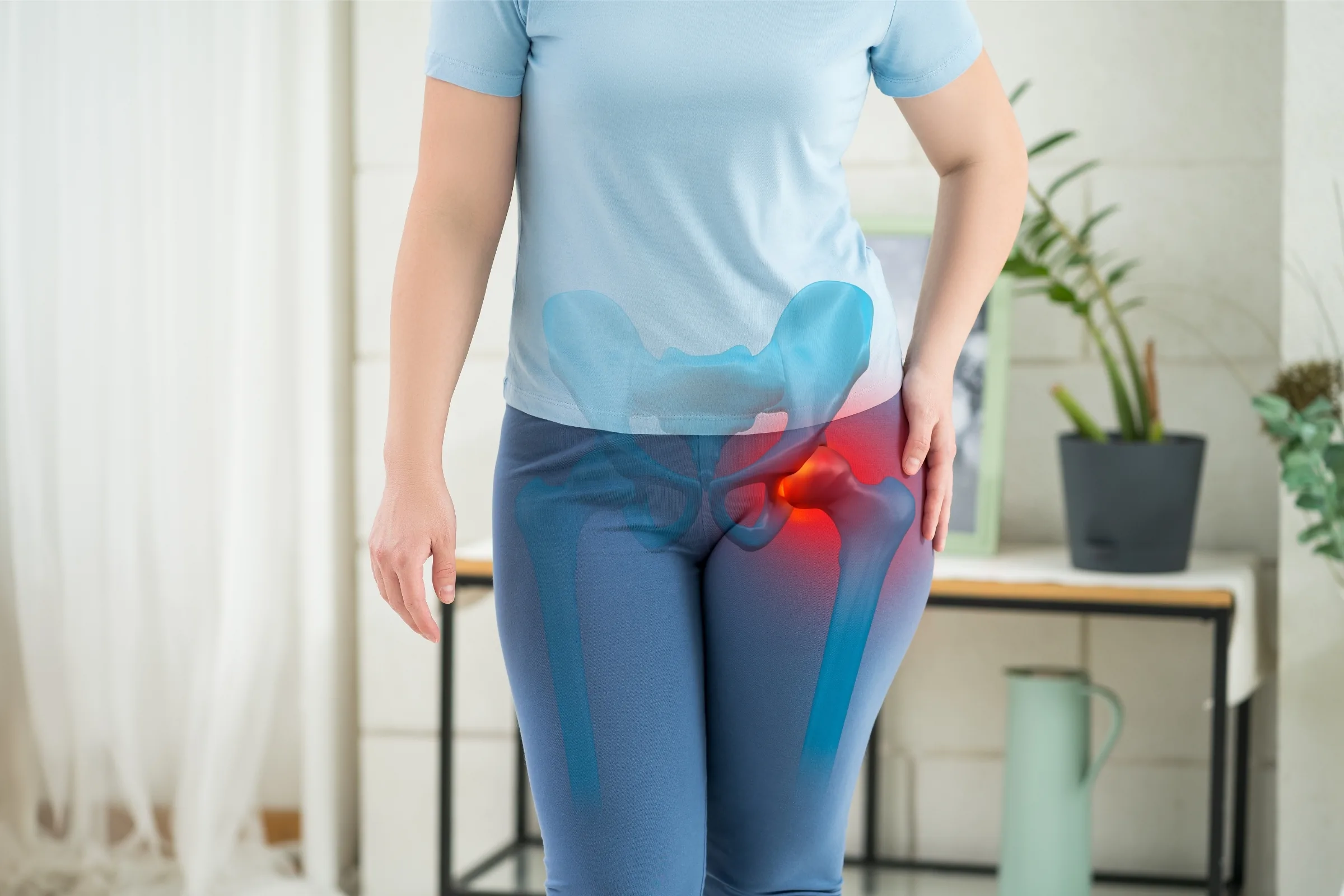
Hip and groin pain or stiffness that affects walking, sitting, and sleep.
Learn More
Knee pain from injury, overuse, or wear that limits walking, stairs, and daily movement.
Learn More
Injuries from job-related accidents, repetitive motion, or sustained poor posture on the job.
Learn More
Strains, sprains, and overuse injuries from training and competition that keep you off the field.
Learn More
Hand and wrist pain, numbness, or weakness from median nerve compression.
Learn More
Abnormal sideways curvature of the spine that affects posture, motion, and long-term function.
Learn More
Joint pain, stiffness, and swelling from wear or inflammation in the joints.
Learn More
Sensation of spinning or imbalance, often linked to upper cervical or inner ear dysfunction.
Learn MoreHeel and arch pain from irritation of the tissue along the bottom of the foot, often worst with the first steps of the day.
Learn More