
Back pain is the most common reason patients walk into the office. The cause is rarely a mystery once you look at the spine itself. Most cases trace back to one of three things: a vertebra sitting out of alignment, a disc that has bulged or herniated, or muscles and ligaments stressed beyond what they can handle. Long-running stress amplifies all of it by keeping surrounding tissue tight.
When a vertebra sits out of position, it pulls on the muscles around it and presses on the nerves exiting the spine at that level. Pain follows. Range of motion shrinks. The body compensates, which usually creates a second problem above or below the first. By the time most people seek care, they are dealing with a chain of issues, not a single spot.
Dr. Lena Hartwell works case by case. No two backs are the same, and the same adjustment does not belong on every spine. The first visit is about finding where the pain is actually coming from through a thorough exam and X-rays where appropriate. From there, care is specific, gentle, and aimed at restoring normal motion to the joints that are causing the trouble. Once the joints move the way they should, the muscles relax, the nerve pressure eases, and the back gets the space it needs to recover.
If you're experiencing Back Pain, our Asheville chiropractic clinic is here to help. We're conveniently located at 28 Patton Avenue, Suite 210, serving patients from across the greater Asheville area. Learn more about our Asheville chiropractic practice and the conditions we help with.
Take the first step toward better health. Schedule your new patient visit today.

Stiffness, soreness, or sharp pain in the cervical spine that limits motion and daily activity.
Learn More
Sharp, radiating pain down the leg caused by irritation of the sciatic nerve at the spine.
Learn More
Recurring head pain often driven by tension and misalignment in the upper neck.
Learn More
Bulging, herniated, or extruded spinal discs that compress nerves and limit movement.
Learn More
Neck injury from sudden back-and-forth motion, most often from rear-end collisions.
Learn More
Persistent shoulder pain, stiffness, or limited motion that interferes with daily activity.
Learn More
Pain, numbness, or weakness in the limbs caused by nerve compression at the spine.
Learn More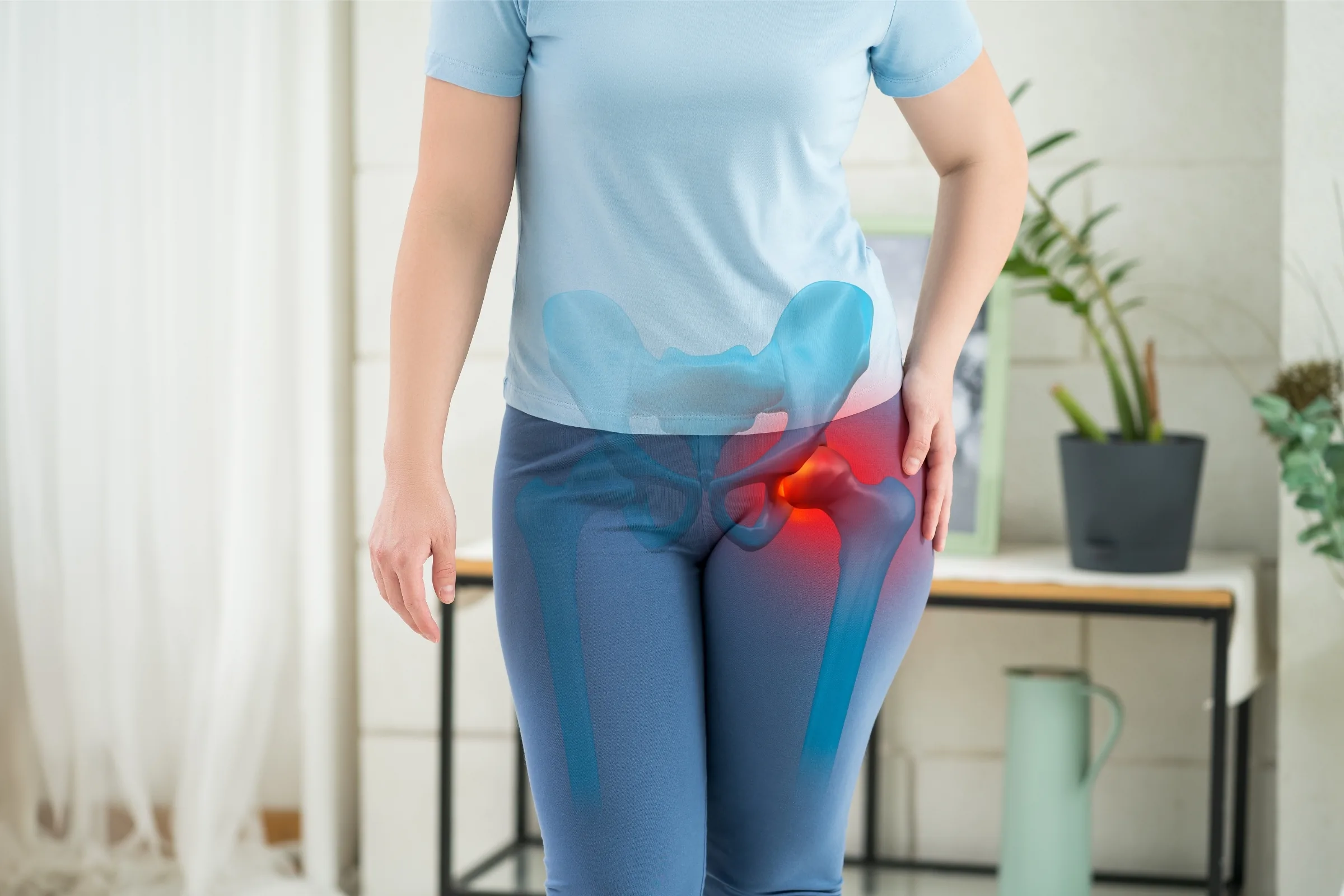
Hip and groin pain or stiffness that affects walking, sitting, and sleep.
Learn More
Knee pain from injury, overuse, or wear that limits walking, stairs, and daily movement.
Learn More
Injuries from job-related accidents, repetitive motion, or sustained poor posture on the job.
Learn More
Strains, sprains, and overuse injuries from training and competition that keep you off the field.
Learn More
Hand and wrist pain, numbness, or weakness from median nerve compression.
Learn More
Abnormal sideways curvature of the spine that affects posture, motion, and long-term function.
Learn More
Joint pain, stiffness, and swelling from wear or inflammation in the joints.
Learn More
A physiologic state that shifts posture, weight, and ligament tension in ways that strain the spine.
Learn More
Sensation of spinning or imbalance, often linked to upper cervical or inner ear dysfunction.
Learn MoreHeel and arch pain from irritation of the tissue along the bottom of the foot, often worst with the first steps of the day.
Learn More