
The discs between the vertebrae are pads of cartilage that absorb load and let the spine move. They are tough, but they have limits. When a disc is overloaded, by an injury, by years of poor mechanics, or by a single wrong movement, the outer wall can weaken. The soft inner material pushes outward. That is a bulge. If the wall tears and the inner material breaks through, that is a herniation. If a fragment separates from the disc entirely, that is an extrusion.
The pain is rarely from the disc itself. It comes from the disc material pressing on the nerve root next to it. Depending on which level is involved, patients feel pain, numbness, or weakness in the neck, back, arms, or legs. Some cases progress to bladder or bowel symptoms, which always require immediate medical attention.
Dr. Lena Hartwell approaches disc cases with care and precision. The first step is a thorough exam, including X-rays, to confirm the level and severity of the injury. The Gonstead method is specifically designed to handle disc problems; it identifies the exact joint involved and uses a gentle, targeted adjustment to ease pressure on the nerve. Many disc cases respond well to conservative care over a series of visits. Some require referral for imaging beyond X-ray or for surgical consultation, and the exam will make that clear. The goal in either case is the same: identify the problem precisely and choose the path that gives the patient the best chance of recovery without unnecessary intervention.
If you're experiencing Disc Injury, our Asheville chiropractic clinic is here to help. We're conveniently located at 28 Patton Avenue, Suite 210, serving patients from across the greater Asheville area. Learn more about our Asheville chiropractic practice and the conditions we help with.
Take the first step toward better health. Schedule your new patient visit today.

Spinal misalignment, disc problems, or muscle strain limiting daily movement and quality of life.
Learn More
Stiffness, soreness, or sharp pain in the cervical spine that limits motion and daily activity.
Learn More
Sharp, radiating pain down the leg caused by irritation of the sciatic nerve at the spine.
Learn More
Recurring head pain often driven by tension and misalignment in the upper neck.
Learn More
Neck injury from sudden back-and-forth motion, most often from rear-end collisions.
Learn More
Persistent shoulder pain, stiffness, or limited motion that interferes with daily activity.
Learn More
Pain, numbness, or weakness in the limbs caused by nerve compression at the spine.
Learn More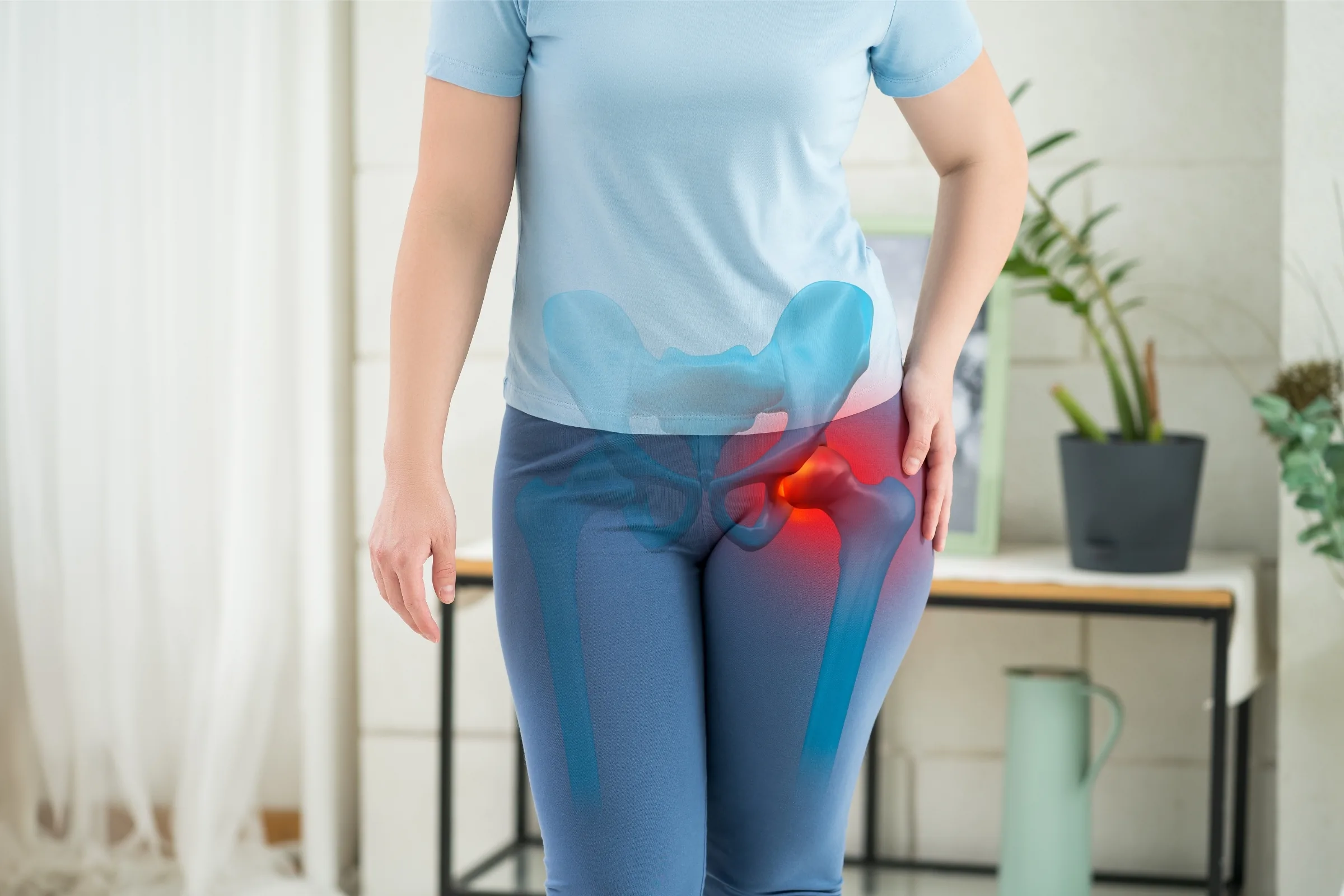
Hip and groin pain or stiffness that affects walking, sitting, and sleep.
Learn More
Knee pain from injury, overuse, or wear that limits walking, stairs, and daily movement.
Learn More
Injuries from job-related accidents, repetitive motion, or sustained poor posture on the job.
Learn More
Strains, sprains, and overuse injuries from training and competition that keep you off the field.
Learn More
Hand and wrist pain, numbness, or weakness from median nerve compression.
Learn More
Abnormal sideways curvature of the spine that affects posture, motion, and long-term function.
Learn More
Joint pain, stiffness, and swelling from wear or inflammation in the joints.
Learn More
A physiologic state that shifts posture, weight, and ligament tension in ways that strain the spine.
Learn More
Sensation of spinning or imbalance, often linked to upper cervical or inner ear dysfunction.
Learn MoreHeel and arch pain from irritation of the tissue along the bottom of the foot, often worst with the first steps of the day.
Learn More