
Work injuries fall into two broad categories. The first is the sudden injury: a lift gone wrong, a slip, a fall, an awkward catch. The second is the slow injury that builds over months or years: hours at a desk, repetitive motion, sustained poor posture, vibration from equipment. Both produce real damage to the spine and nervous system, but the slow kind often does more long-term harm because the body adapts to dysfunction until it cannot anymore.
Common work-related problems include low back pain from lifting, neck and upper back tension from desk work, carpal tunnel symptoms from keyboard and tool use, frozen shoulder from repetitive overhead motion, sciatica from prolonged sitting, and disc problems from any combination of the above. The pain is the warning. The structural problem behind it has usually been building for a long time.
Dr. Lena Hartwell starts with a full picture of the job, the injury, and the symptom pattern. The exam pinpoints which joints have been affected and how they have been compensating. The Gonstead adjustment is specific to the joints involved, which is the right approach for cases where the body has built layers of compensation around an original problem. The goal is to restore proper joint motion, ease the nerve pressure that is driving the symptoms, and give the patient practical guidance on how to keep the same problem from rebuilding once they return to work. Many work injury patients also need documentation for their employer or insurance carrier, and that paperwork is part of the standard process.
If you're experiencing Work Injury, our Asheville chiropractic clinic is here to help. We're conveniently located at 28 Patton Avenue, Suite 210, serving patients from across the greater Asheville area. Learn more about our Asheville chiropractic practice and the conditions we help with.
Take the first step toward better health. Schedule your new patient visit today.

Spinal misalignment, disc problems, or muscle strain limiting daily movement and quality of life.
Learn More
Stiffness, soreness, or sharp pain in the cervical spine that limits motion and daily activity.
Learn More
Sharp, radiating pain down the leg caused by irritation of the sciatic nerve at the spine.
Learn More
Recurring head pain often driven by tension and misalignment in the upper neck.
Learn More
Bulging, herniated, or extruded spinal discs that compress nerves and limit movement.
Learn More
Neck injury from sudden back-and-forth motion, most often from rear-end collisions.
Learn More
Persistent shoulder pain, stiffness, or limited motion that interferes with daily activity.
Learn More
Pain, numbness, or weakness in the limbs caused by nerve compression at the spine.
Learn More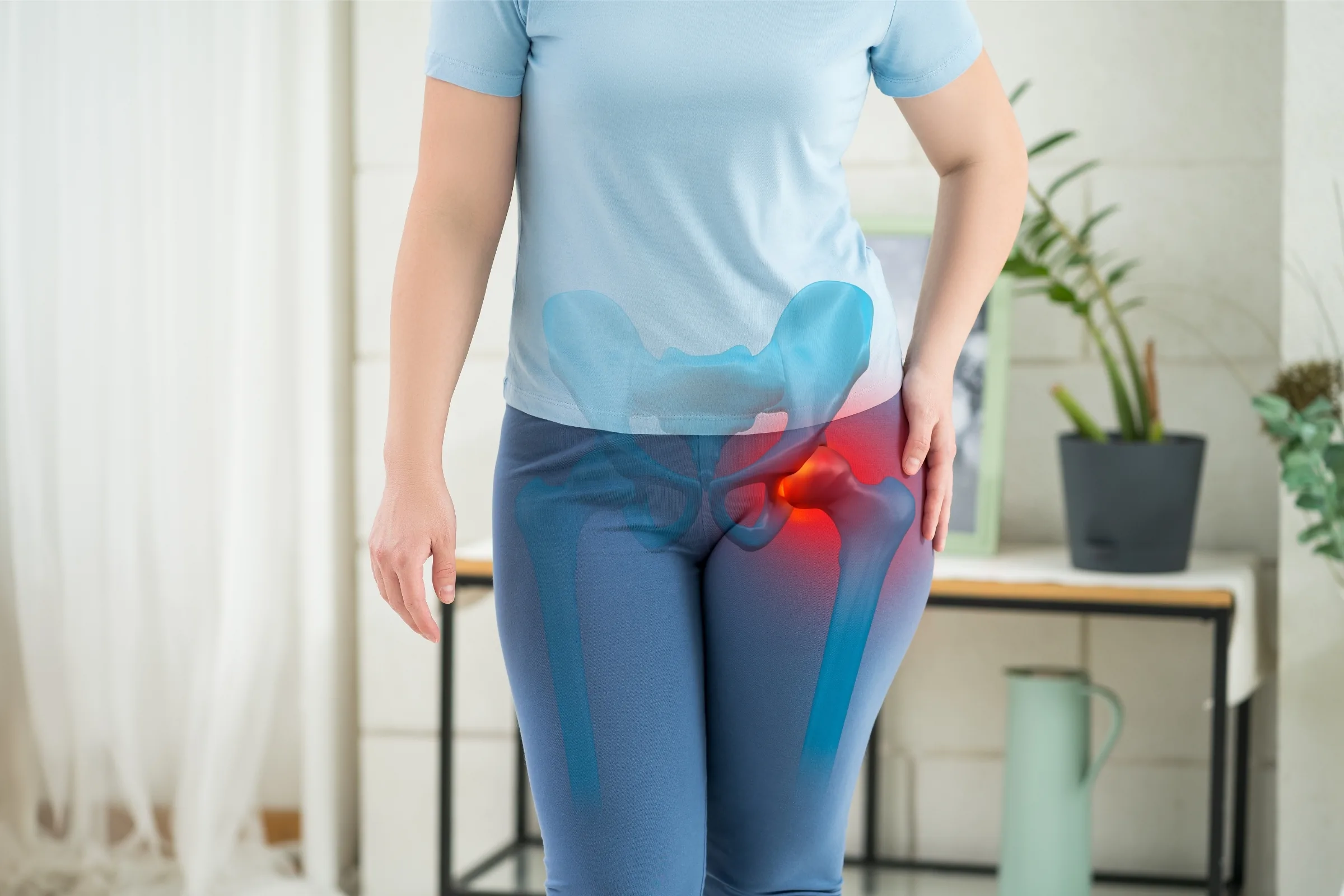
Hip and groin pain or stiffness that affects walking, sitting, and sleep.
Learn More
Knee pain from injury, overuse, or wear that limits walking, stairs, and daily movement.
Learn More
Strains, sprains, and overuse injuries from training and competition that keep you off the field.
Learn More
Hand and wrist pain, numbness, or weakness from median nerve compression.
Learn More
Abnormal sideways curvature of the spine that affects posture, motion, and long-term function.
Learn More
Joint pain, stiffness, and swelling from wear or inflammation in the joints.
Learn More
A physiologic state that shifts posture, weight, and ligament tension in ways that strain the spine.
Learn More
Sensation of spinning or imbalance, often linked to upper cervical or inner ear dysfunction.
Learn MoreHeel and arch pain from irritation of the tissue along the bottom of the foot, often worst with the first steps of the day.
Learn More